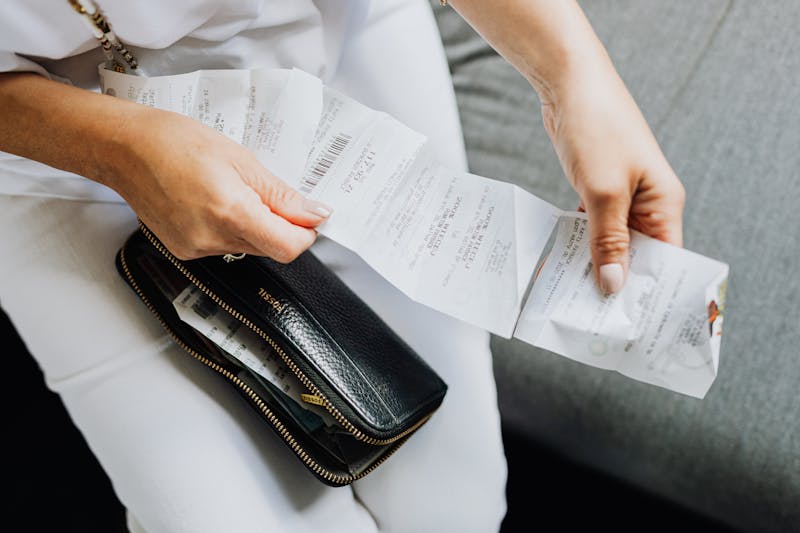
Ever checked your bank account and thought, “Wait… where did all my money go?” You’re not alone. Sometimes it’s not the big purchases — it’s the sneaky hidden expenses quietly nibbling away at your hard-earned cash every month.
From forgotten subscriptions to small daily indulgences, these little leaks add up faster than you’d expect. The good news? Once you know where your money’s slipping away, you can patch those holes and start saving again. Let’s uncover the hidden expenses draining your bank account — and practical ways to fix them.
1. Subscription Services You Forgot About
Streaming platforms, cloud storage, online gyms, or that app you used once last year — they all add up. The average person spends over $200 a month on subscriptions, many of which go unnoticed.
Fix it:
- Review your credit card statements for recurring charges.
- Cancel anything you don’t use regularly.
- Use tools like Truebill (Rocket Money) or Mint to track subscriptions automatically.
👉 Pro tip: Bundle services (like Disney+, Hulu, and ESPN) to save a few bucks each month.
2. Convenience Fees That Sneak Up on You
Think of delivery fees, ATM charges, or ticket booking costs. They’re small, but they chip away at your budget. A few dollars here and there might not seem like much — until you add them up over a year.
Fix it:
- Plan ahead: withdraw cash from your bank’s ATMs.
- Order directly from restaurants instead of third-party delivery apps.
- Opt for e-tickets or loyalty memberships that waive booking fees.
3. Bank Fees and Interest Charges
Overdraft fees, minimum balance penalties, or high-interest credit card payments — classic hidden expenses that eat into your finances.
Fix it:
- Switch to a no-fee bank account or an online bank with better terms.
- Set up low-balance alerts.
- Always pay your credit card in full to avoid interest.
Did you know? The average American pays more than $300 a year in bank fees — money that could easily go toward savings or investments.
4. Auto-Renewing Insurance or Memberships
Car insurance, gym memberships, and professional subscriptions often renew automatically — sometimes at higher rates than before.
Fix it:
- Review renewal dates regularly.
- Shop around for better deals before renewal.
- Don’t be afraid to negotiate or ask for loyalty discounts.
A quick 15-minute call could save you hundreds annually.
5. Food Delivery and Takeout Costs
Ordering food feels convenient, but when you factor in delivery fees, tips, and inflated menu prices, it’s a wallet drainer.
Fix it:
- Limit food delivery to weekends or special occasions.
- Batch cook meals for the week.
- Use cashback cards or reward apps like Rakuten or Ibotta for grocery savings.
A home-cooked meal isn’t just cheaper — it’s often healthier, too.
6. Unused Gym Memberships
Let’s be honest — how many times have you said, “I’ll start next week”? If your gym membership card is gathering dust, it’s a hidden expense doing more harm than good to your budget.
Fix it:
- Cancel the membership if you’re not going at least twice a week.
- Try free YouTube workouts or apps like Nike Training Club.
- Explore outdoor fitness options like jogging, hiking, or biking.
7. Impulse Online Shopping
Flash sales and “Only 2 left!” alerts are psychological traps designed to make you spend. Those $20 buys may seem harmless — until you realize you’ve spent hundreds on stuff you barely use.
Fix it:
- Add items to your cart and wait 24 hours before buying.
- Unsubscribe from marketing emails that tempt you.
- Use browser extensions like Honey to find real discounts when you do shop.
8. Energy and Utility Waste
Leaving lights on, using outdated appliances, or keeping your thermostat too high can silently drive up your utility bills.
Fix it:
- Switch to energy-efficient bulbs and appliances.
- Unplug devices when not in use.
- Install a smart thermostat to regulate heating and cooling.
Small changes here can lead to big annual savings — and a lighter carbon footprint.
9. Late Payment Penalties
Forgot to pay your bill on time? That $10 late fee might seem minor, but repeated lapses hurt both your wallet and your credit score.
Fix it:
- Automate bill payments through your bank app.
- Set calendar reminders or use budgeting tools like YNAB (You Need A Budget).
A good credit score also means better interest rates — saving you even more long-term.
10. Premium Versions of Free Apps
Do you really need the paid version of that meditation or language-learning app? Many users forget to cancel free trials, letting hidden expenses accumulate quietly.
Fix it:
- Downgrade to free versions when possible.
- Set reminders to cancel before trials end.
- Keep only apps that truly add value to your life.
How to Take Control of Hidden Expenses
Here’s a simple checklist to get started:
✅ Audit your accounts monthly.
✅ Track recurring charges using an app.
✅ Question every automatic renewal.
✅ Plan spending around essentials, not habits.
✅ Celebrate savings wins — even small ones!
Financial awareness is the first step to financial freedom.
Conclusion
The real danger of hidden expenses is how quietly they drain your wealth. But once you spot them, you gain control. By auditing your accounts, cutting unused services, and setting smarter habits, you can redirect that wasted money toward things that truly matter — like building savings, traveling, or investing in yourself.
Remember, it’s not about cutting out every luxury — it’s about spending consciously. Start today, and you’ll be amazed at how quickly your financial picture improves.
FAQs
1. What are hidden expenses?
Hidden expenses are small, recurring or unnoticed costs that reduce your savings over time, like bank fees or unused subscriptions.
2. How can I track hidden expenses easily?
Use financial apps like Rocket Money, Mint, or YNAB to categorize and flag recurring charges.
3. How often should I audit my expenses?
At least once a month. Regular tracking prevents surprise charges from slipping through.
4. Are subscription services always bad?
Not at all — just make sure they bring real value and you’re actively using them.
5. Can budgeting apps really help?
Yes! They automate tracking, send alerts, and help you visualize where your money goes.