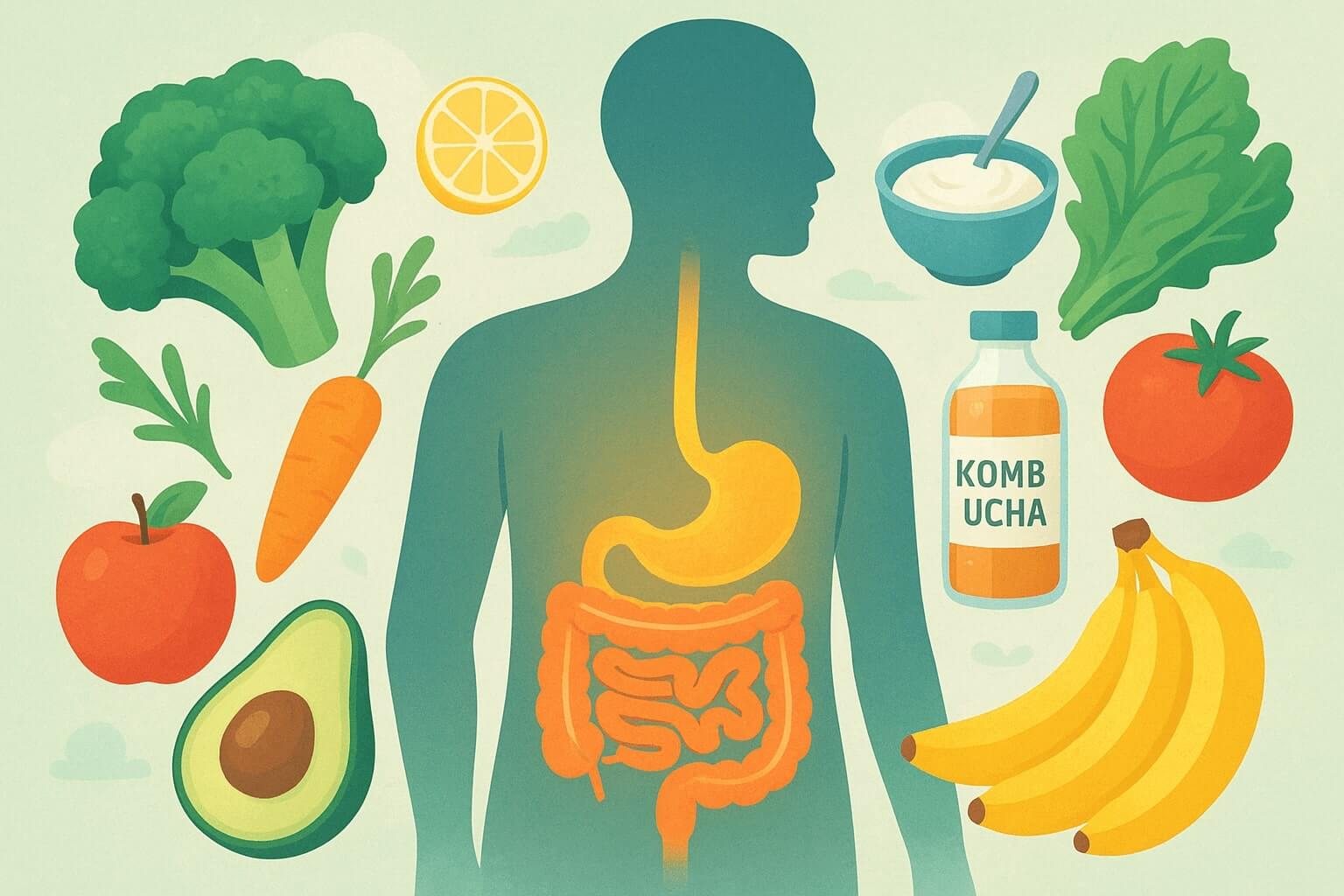
What Is Gut Health—and Why Should You Care?
You’ve probably heard people talk about “gut health” a lot lately, but what does it actually mean?
Your gut is more than just your stomach—it’s your entire digestive system, including your intestines and trillions of bacteria, viruses, and fungi that live there. This ecosystem is called the gut microbiome, and it plays a huge role in your overall health.
When your gut is healthy, you feel good—mentally and physically. When it’s not, your whole body can feel off.
5 Reasons Gut Health Is Crucial for Your Body & Mind
1. Better Digestion
A healthy gut breaks down food properly, helping your body absorb nutrients and avoid bloating, constipation, or heartburn.
2. Stronger Immunity
Did you know 70–80% of your immune system lives in your gut? A healthy microbiome helps fight off infections and inflammation.
3. Improved Mental Health
The gut and brain are connected via the gut-brain axis. An imbalanced gut can lead to anxiety, depression, or brain fog. Some even call the gut the “second brain.”
Learn more from Harvard Health on the gut-brain connection.
4. Balanced Weight
Gut bacteria help regulate metabolism and hunger hormones. A healthier gut may help maintain a healthy weight without extreme diets.
5. Better Sleep and Mood
Gut bacteria produce serotonin—a chemical linked to mood and sleep. A well-functioning gut may improve your sleep cycle and emotional stability.
Common Signs of Poor Gut Health
- Bloating or gas
- Fatigue or brain fog
- Frequent sugar cravings
- Skin issues (like eczema or acne)
- Irregular bowel movements
- Anxiety or depression symptoms
If you’re checking several of these boxes, your gut may be trying to tell you something.
Simple, Science-Backed Ways to Improve Gut Health
1. Eat More Fiber-Rich Foods
Fruits, vegetables, beans, and whole grains feed your “good” gut bacteria.
🥕 Try this: Add a handful of berries, chia seeds, or oats to your breakfast.

2. Add Fermented Foods
Yogurt, kefir, kimchi, sauerkraut, miso, and kombucha contain probiotics, which help restore gut flora.
🧃 Here’s a list of probiotic foods from Healthline.
3. Cut Down on Processed Sugars and Junk Food
Bad bacteria thrive on sugar and ultra-processed foods. Reducing these can help rebalance your microbiome.
4. Take a Probiotic Supplement (if needed)
Probiotics can be helpful, especially after taking antibiotics. Look for high-quality brands and consult your doctor first. Cleveland Clinic: Do probiotics really help?
5. Stay Hydrated
Water keeps things moving in your digestive tract and supports nutrient absorption.
6. Manage Stress
Chronic stress can disrupt your gut. Try meditation, walking, or even just unplugging for a bit.
🧘 Check out Mindful.org for stress-reducing exercises.
7. Sleep Better
Your gut works on a rhythm too. Poor sleep disrupts digestion and hormone production. Aim for 7–8 hours per night.
Quick Gut-Friendly Meal Ideas
- Breakfast: Greek yogurt + banana + flaxseed
- Lunch: Lentil soup + mixed greens salad
- Snack: Kombucha + a handful of almonds
- Dinner: Grilled salmon + quinoa + steamed broccoli
Final Thoughts: Heal Your Gut, Help Your Whole Body
Gut health isn’t just about digestion—it’s about your whole self. From mood to immunity to energy levels, your gut is working behind the scenes 24/7.
Start small. Add one gut-friendly habit at a time. Over weeks and months, you’ll not only feel better—you’ll thrive.
Other resources to study
Want More?
If you enjoyed this post, you might also like: