Technology Meets Sustainability
In recent years, technology and sustainability have become inseparable partners. With climate change and environmental concerns rising globally, scientists, startups, and governments are coming together to innovate greener, cleaner, and smarter solutions.
Green tech innovations this year are not just buzzwords—they represent a movement toward a more sustainable world. From renewable energy breakthroughs to eco-friendly transportation and waste-reduction technologies, these advancements are proving that technology can be a force for good.
Let’s explore the most impactful and exciting green tech trends that are shaping 2025.
1. Solar Power 2.0: Smarter and Cheaper
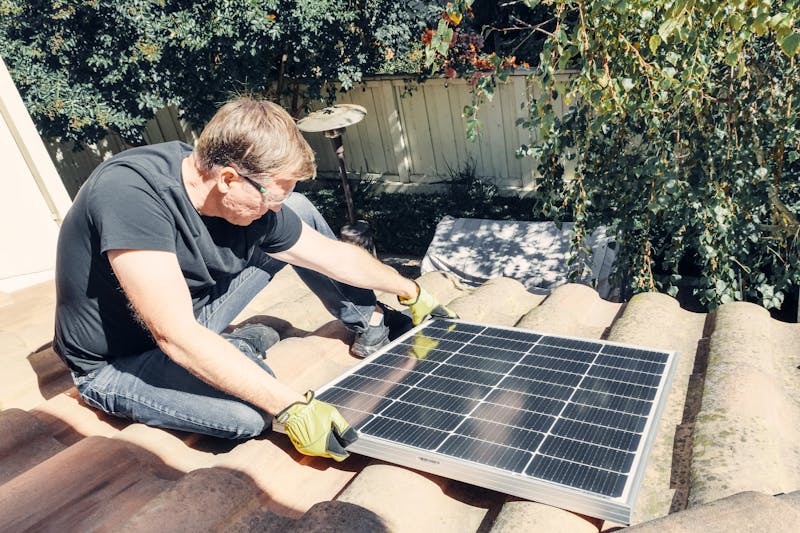
Solar energy continues to evolve, and this year’s innovations are making it more efficient than ever.
What’s new:
- Perovskite solar cells are now outperforming traditional silicon-based panels with higher efficiency and lower production costs.
- Transparent solar panels are being integrated into building windows, turning skyscrapers into mini power plants.
- Solar paint is emerging—coatings that generate electricity just by being exposed to sunlight.
These innovations make solar energy more accessible to households and businesses worldwide.
👉 For more on solar advancements, check out International Renewable Energy Agency (IRENA).
2. Electric Vehicles (EVs) Go Mainstream
Electric vehicles are no longer niche—they’re becoming the new normal.
What’s driving the change:
- Faster charging batteries: New solid-state batteries charge in minutes instead of hours.
- Increased range: EVs can now travel 500–700 km per charge.
- Affordable pricing: Governments and companies are reducing costs through incentives and improved battery technology.
Even public transportation is getting an eco-friendly upgrade, with electric buses and trains reducing urban emissions drastically.
Focus keyword usage: Among the most impactful green tech innovations this year, EV technology stands out for its real-world impact and accessibility.
3. Green Hydrogen Revolution
Hydrogen has long been considered the “fuel of the future,” but this year, it’s becoming a practical reality.
Green hydrogen—produced using renewable energy—is now powering industries and even vehicles without releasing harmful emissions.
How it’s being used:
- Heavy industries like steel and cement are adopting hydrogen to reduce their carbon footprint.
- Hydrogen-powered trains and trucks are being tested in Europe and Japan.
- New electrolyzers are reducing hydrogen production costs by nearly 40%.
This innovation could soon transform how we produce and consume energy worldwide.
4. Smart Grids and Energy Storage
Energy innovation isn’t just about generation—it’s about smarter management.
Smart grids use artificial intelligence (AI) and Internet of Things (IoT) technology to monitor, predict, and balance energy supply and demand in real-time.
Benefits:
- Reduces energy waste
- Enables households to sell excess solar power back to the grid
- Improves reliability during peak hours or power outages
Paired with advanced energy storage systems, this ensures renewable energy remains stable even during cloudy or windless days.
5. Circular Economy Tech
Waste is out; recycling and reusing are in.
This year’s green tech innovations are pushing the boundaries of recycling:
- AI-powered sorting systems identify and separate materials more accurately in waste facilities.
- Plastic-eating enzymes are breaking down PET plastic faster than ever before.
- Upcycling platforms help companies turn waste into valuable resources.
By embracing a circular economy, industries can drastically cut down on waste and pollution.
6. Sustainable Agriculture and Food Tech
Agriculture is getting a high-tech makeover through sustainable innovation.
Examples include:
- Vertical farming: Growing crops in stacked layers using 90% less water.
- AI-driven irrigation: Smart sensors provide the exact amount of water needed.
- Lab-grown meat and plant-based proteins: Reducing reliance on livestock, which lowers methane emissions.
These innovations help ensure food security while protecting natural resources.
Check out FAO’s Sustainable Agriculture Initiative for global developments in this space.
7. Carbon Capture and Clean Air Technologies
With carbon emissions still a major concern, carbon capture technology is one of the most vital green tech innovations this year.
How it works:
- Captures CO₂ from industrial plants or the air.
- Converts it into useful products like fuels or building materials.
- Prevents greenhouse gases from entering the atmosphere.
In addition, urban air purification towers are being deployed in major cities like Delhi and Beijing to improve air quality and reduce respiratory health issues.
8. Water Conservation Technologies
Water scarcity affects billions worldwide, and green tech is stepping up.
- Atmospheric water generators extract drinking water from air humidity.
- AI-based irrigation systems minimize water waste in agriculture.
- Desalination plants powered by renewable energy make seawater drinkable efficiently.
These technologies are life-saving innovations, especially in drought-prone areas.
How Green Tech Impacts Daily Life
You might not notice it every day, but green tech innovations this year are already shaping how we live:
- Homes are becoming energy-efficient with smart thermostats and LED systems.
- Electric scooters and bikes are making urban travel cleaner.
- Smart recycling bins are promoting environmental awareness.
Every small innovation contributes to a global movement toward sustainability.
Conclusion: The Future is Green and Bright
The progress made in green tech innovations this year shows how human creativity can solve even the most complex environmental problems. From renewable energy to circular economies, these technologies represent hope—a future where progress and the planet coexist in harmony.
🌱 Note: If you’re planning to make lifestyle changes for better health or environmental well-being, always consult a qualified expert or doctor for personalized advice.
👉 Let’s take inspiration from these innovations and make conscious choices—because the greener we think today, the brighter our tomorrow becomes.