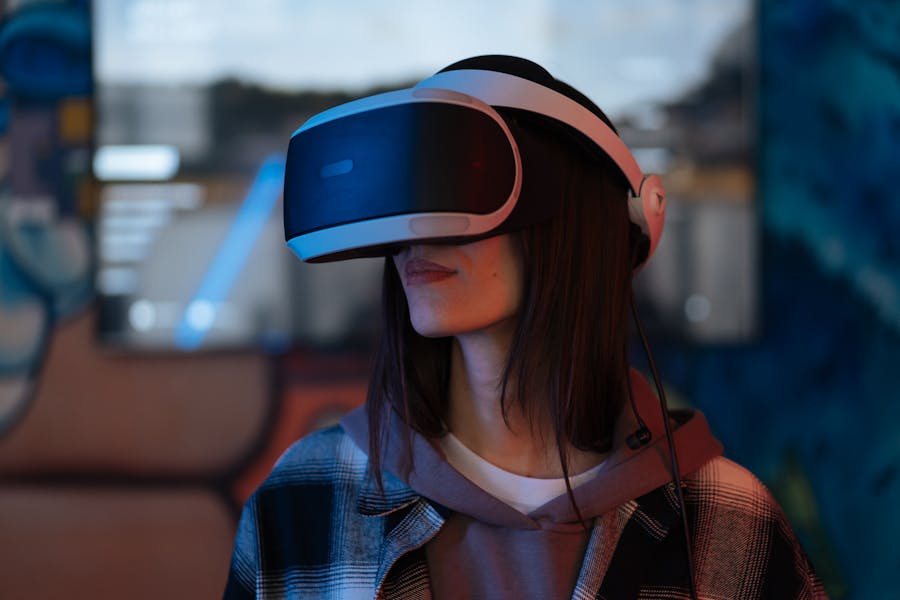
In 2025, generative AI is no longer just a buzzword — it’s actively reshaping how people work, make art, write, code, and create content. Whether you’re an artist, writer, small business owner, or someone who loves tech, the changes are all around you. Let’s explore what’s new, what’s possible, and what it means for creativity and work.
What is Generative AI?
Generative AI refers to systems (like large language models, image generators, etc.) that can create new content — text, images, music, even code — based on prompts or examples. Instead of just analyzing data, they generate something new. Think of tools that can write drafts of articles, design website layouts, compose music, or help you brainstorm ideas.
How Work Is Changing with Generative AI
A. Automating Routine Tasks
One big shift is that many repetitive or mundane tasks are being handled by AI. This frees up people’s time to focus on more creative, strategic, or relationship‑driven work. For instance, companies are using AI to handle email drafts, basic customer support chatbots, or content re purposing.
B. Coding and Software Development
Generative AI tools help developers write code, fix bugs, suggest improvements, and even refactor older code. This means faster development cycles and people who are not expert coders can build simple apps or prototypes with AI assistance.
C. Personalized Marketing and Business Content
Generative AI allows businesses to create content tailored to the specific preferences of users in real time. Marketing messages, social media posts, product descriptions can be more personalized and more engaging.
How Creativity Is Being Enhanced
A. Democratization of Creation
You don’t need years of training to start creating. Tools available now allow people to generate music, visuals, or stories even with basic inputs. This opens doors for hobbyists, beginners, and people in remote areas to express themselves.
B. Faster Idea to Execution Cycle
AI helps in faster prototyping of design concepts, generating multiple versions of images or mockups quickly. Creativity patterns that earlier took days or weeks are now being iterated in hours or even minutes.
C. New Art Forms & Mixed Media
Generative AI is enabling hybrid art — combining visual, audio, text, video in new ways. Think interactive content, AI‑generated music, AI helping animate scenes, or generative visuals that respond to moods or input.
Some Challenges and Considerations
- Quality & Originality: AI outputs are not perfect. Sometimes they feel generic or derivative. Human editing and oversight are still essential.
- Ethics & Copyright: There are concerns about how AI is trained (what data it uses), whether creators are fairly credited, and misuse such as deepfakes or plagiarised content.
- Job and Skill Shifts: Some roles may change or even reduce, particularly those relying on repetitive or routine work. But new roles are emerging — people skilled in prompting AI, editing AI outputs, creative direction, ethics, etc.
- Bias and Fairness: AI models can inherit biases from their training data. Ensuring fairness, avoiding harmful stereotypes, and respecting cultural differences is important.
What Tools & Trends to Watch
- Multimodal AI: Tools that can work across text, images, sound. For example, generating images from prompts + refining via text or even voice.
- AI‑Powered Design Tools: Apps like Adobe Firefly are pushing boundaries, letting creators do more with less.
- Vibe Coding: A newer idea where developers use conversational prompts to build software; less manual code writing, more guiding the AI.
What It Means For You
If you use a computer, phone, or create content (blogs, photos, videos) — these are things to keep in mind:
- Embrace AI tools to boost your productivity and creativity
- Learn how to prompt well (good instructions to AI matter)
- Stay aware of ethical and legal issues — give credit where needed, check sources
- Keep developing your human skills — creativity, empathy, original thinking, editing
Final Thoughts
Generative AI in 2025 is not just about replacing work — it’s reshaping what we can do, speeding up creativity, and broadening access. There are challenges, yes, but there is also massive opportunity for those who adapt.
If you stay curious, keep learning, and use AI as a partner rather than a shortcut, you can ride the wave without losing what makes human creativity special.