The human body is fascinating, and one of the most complex systems it has is the reproductive system. Whether male or female, these organs are not only responsible for creating new life but also play an important role in hormonal balance and overall health.
In this blog, we’ll take a beginner-friendly look at both the male and female reproductive systems—how they work, their main parts, and why understanding them matters for everyone, not just medical students.
The Male Reproductive System
The male reproductive system is designed to produce, store, and deliver sperm. Its key components include:
- Testes (Testicles): Produce sperm and testosterone, the primary male sex hormone.
- Epididymis: A coiled tube where sperm matures before ejaculation.
- Vas Deferens: The duct that transports sperm from the epididymis to the urethra.
- Seminal Vesicles & Prostate Gland: Produce seminal fluid, which mixes with sperm to form semen.
- Penis & Urethra: The penis delivers semen during ejaculation, while the urethra serves as a passage for both urine and semen.
👉 Fun fact: The average male produces millions of sperm each day, but only one is needed to fertilize an egg.
The Female Reproductive System
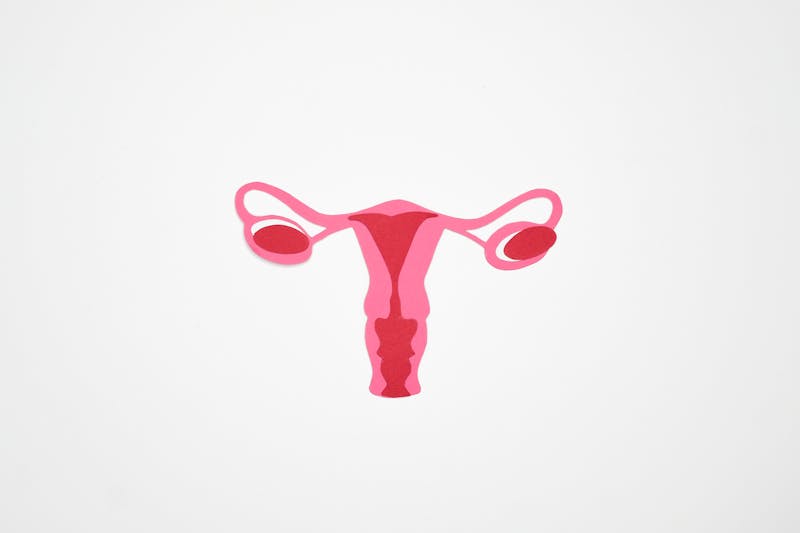
The female reproductive system is more complex as it must produce eggs, allow fertilization, and support pregnancy. Its main organs include:
- Ovaries: Release eggs (ova) and produce hormones like estrogen and progesterone.
- Fallopian Tubes: The pathway where fertilization usually occurs when sperm meets egg.
- Uterus (Womb): A muscular organ where a fertilized egg implants and grows during pregnancy.
- Cervix: The lower part of the uterus that connects to the vagina.
- Vagina: A muscular canal that serves as the passage for menstrual flow, intercourse, and childbirth.
👉 Interesting fact: Women are born with all the eggs they will ever have—around 1 to 2 million at birth, though only about 400 to 500 are released during reproductive years.
Why Understanding Reproductive Anatomy Matters
Knowing the basics of reproductive anatomy is essential because:
- It helps people make informed choices about sexual and reproductive health.
- It reduces stigma and myths surrounding natural body functions.
- It supports better awareness of conditions like infertility, PCOS, prostate health, and STDs.
For more reliable information, check out the Mayo Clinic’s reproductive health resources.
Quick Comparison: Male vs. Female Reproductive Systems
| Feature | Male System | Female System |
|---|---|---|
| Primary Function | Produces sperm & testosterone | Produces eggs & supports pregnancy |
| Main Organs | Testes, penis, prostate | Ovaries, uterus, vagina |
| Fertility Role | Delivers sperm | Receives sperm, carries fetus |
Final Thoughts
The male and female reproductive systems are unique but work together in the process of reproduction. Understanding how they function not only improves awareness about fertility and pregnancy but also encourages better reproductive health practices.
Whether you’re a student, parent, or simply curious, knowing the basics of human anatomy is a step toward breaking taboos and fostering healthier conversations about our bodies.