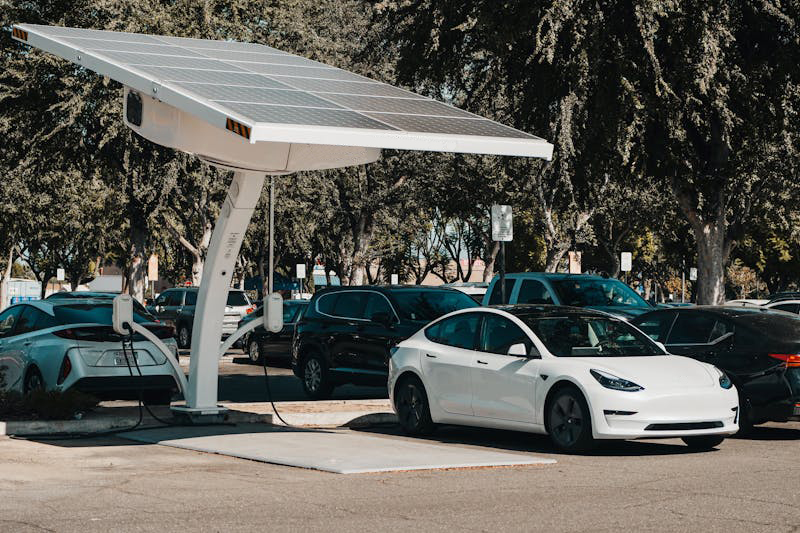
A Silent Revolution on Wheels
Have you noticed how more electric cars are quietly gliding through city streets these days? What once seemed futuristic has now become a global movement toward cleaner, greener mobility. From sleek Teslas in urban neighborhoods to affordable e-scooters in small towns, electric vehicles (EVs) are reshaping how we think about transportation.
But like every innovation, this revolution comes with its own hurdles. While adoption rates are rising, challenges in infrastructure, cost, and perception still remain. In this blog, we’ll explore the journey of electric vehicles—adoption and challenges—and what the road ahead looks like for this exciting technology.
The Rise of Electric Vehicles
Over the past decade, the electric vehicle market has exploded. Thanks to growing environmental awareness, government incentives, and technological progress, EVs have shifted from niche to mainstream.
Key trends in EV adoption:
- Global growth: According to the International Energy Agency (IEA), more than 40 million electric cars are now on the roads worldwide.
- Government support: Countries like India, the U.S., and Norway offer tax rebates, subsidies, and charging infrastructure programs.
- Corporate push: Automakers such as Tesla, BYD, Tata Motors, and Hyundai are heavily investing in EV technology and battery efficiency.
What was once an environmental choice is now becoming a smart economic decision for both consumers and businesses.
Why People Are Choosing Electric Vehicles
People are increasingly making the switch to electric mobility, and it’s easy to see why.
1. Eco-friendly benefits
EVs produce zero tailpipe emissions, reducing air pollution and helping fight climate change.
2. Lower operating costs
Charging an electric car often costs less than half of refueling a petrol or diesel vehicle. Maintenance is cheaper too—no oil changes, fewer moving parts, and longer-lasting brakes.
3. Government incentives
Many countries provide financial perks, such as tax reductions and free parking for EVs.
4. Improved performance
Modern EVs are fast, smooth, and almost silent. Instant torque makes them a joy to drive.
In short, EVs combine sustainability with performance and savings—a win-win for modern drivers.
Major Challenges in Electric Vehicle Adoption
Despite rapid progress, several challenges slow down widespread adoption. Understanding these issues is key to improving electric vehicles adoption and challenges across markets.
1. Limited Charging Infrastructure
One of the biggest roadblocks is the lack of charging stations—especially in developing countries.
- Many drivers experience “range anxiety,” the fear of running out of power before finding a charging point.
- Urban areas may have growing infrastructure, but rural and remote regions are often left behind.
2. High Initial Cost
While operating an EV is cheaper, the upfront cost remains high due to expensive batteries.
- However, as battery technology improves and mass production scales up, prices are expected to drop significantly.
3. Battery Life and Disposal
Batteries degrade over time, reducing performance. Additionally, battery disposal and recycling pose environmental challenges if not managed properly.
- The good news? Companies like Tesla and CATL are developing sustainable battery recycling systems.
4. Limited Model Variety
Although improving, the market still lacks affordable EV models in certain segments—especially for large families or commercial fleets.
5. Power Source Concerns
If the electricity used to charge EVs comes from coal-based power plants, the environmental benefits are reduced.
- This is why many countries are now investing in renewable energy-based charging networks.
The Role of Governments and Policies
Government intervention has been crucial in driving the adoption of electric vehicles.
Examples:
- India: Under the FAME II scheme, incentives are offered to EV manufacturers and buyers.
- Europe: Many cities plan to ban fossil-fuel cars by 2035.
- China: Massive investments in EV infrastructure and production subsidies make it the world’s largest EV market.
These policies encourage automakers to innovate and consumers to adopt sustainable mobility solutions faster.
For more details, visit the International Energy Agency’s EV Outlook.
Technological Innovations Solving EV Challenges
Innovation is helping overcome the challenges of electric vehicles one step at a time.
Key breakthroughs:
- Solid-state batteries: Offer longer range and faster charging times.
- Wireless charging roads: Under development in Europe, allowing cars to charge while driving.
- Battery swapping stations: Reduce charging time to just a few minutes.
- Recycling and reusing batteries: Companies are finding ways to give old batteries new life.
With these innovations, the future of EVs looks increasingly practical and accessible.
The Future of Electric Vehicles
Experts predict that by 2030, nearly 60% of new cars sold globally will be electric. This transformation will lead to:
- Cleaner air and healthier cities.
- Energy independence through renewable power integration.
- New green jobs in manufacturing, recycling, and infrastructure development.
However, achieving this vision requires collaboration between governments, industries, and consumers.
Final Thoughts: The Road Ahead
The story of electric vehicles adoption and challenges is one of transformation. While the world faces hurdles like infrastructure gaps and high costs, innovation and determination are steadily paving the way for a cleaner, electric future.
🌱 Note: If you’re considering switching to an EV for health or lifestyle reasons, consult a qualified expert or advisor to understand what model and infrastructure suit your needs best.
👉 The shift to electric mobility isn’t just about technology—it’s about responsibility. Every time we choose a cleaner ride, we’re contributing to a greener planet and a brighter tomorrow.