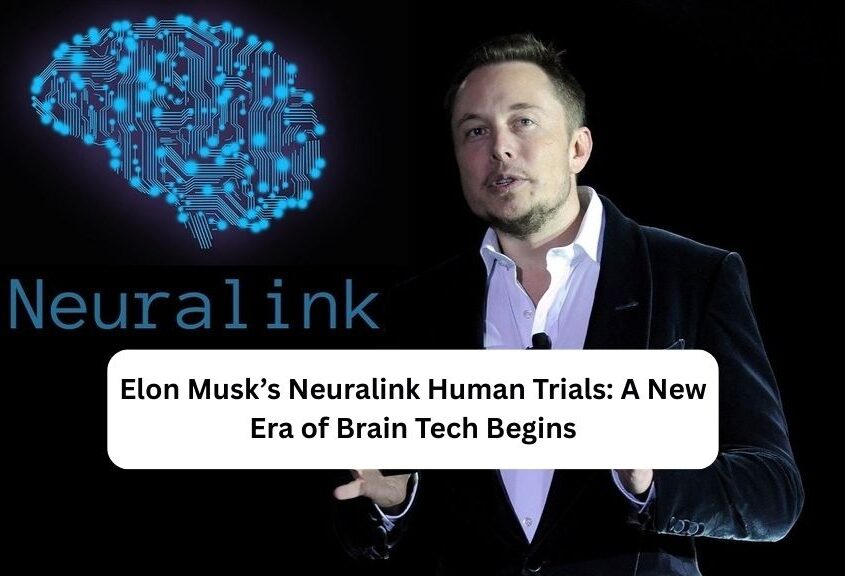
What Is Neuralink and Why Is Everyone Talking About It?
Neuralink, a neurotechnology company founded by Elon Musk, is working on something that sounds like science fiction: a brain-computer interface (BCI) that allows the human brain to communicate directly with machines. Think of it as a USB port for your brain.
After years of research and regulatory approvals, Neuralink has now started its first human trials — and the world is watching closely.
Human Trials Are Here: What’s Happening?
In early 2025, Neuralink announced the commencement of its first-in-human clinical trial, called the PRIME Study (Precise Robotically Implanted Brain-Computer Interface).
The goal?
To test the safety and initial functionality of its implant in paralyzed individuals, helping them control devices with their thoughts.
“This is about restoring autonomy to those who have lost it due to injury or disease,” said Neuralink in its official announcement.
This is a huge leap — from lab rats and monkeys to actual human brains.
How Does Neuralink Work?
At its core, the Neuralink device (called the Link) is a tiny brain implant, roughly the size of a coin. It’s inserted via a robotic surgical procedure and sits behind the ear with ultra-thin wires connected to areas of the brain.
The implant:
- Detects brain signals
- Translates them into digital commands
- Sends those commands to a computer, smartphone, or robotic limb
This means that in the future, someone with paralysis could send a text, move a cursor, or even walk — just by thinking.
Why This Matters: Real-World Use Cases
Let’s break down what this could mean in real life:
For People with Disabilities:
Neuralink’s initial mission is to help restore function to people suffering from spinal cord injuries or neurological disorders like ALS or Parkinson’s.
For Healthcare:
Long-term, this could enable treatments for:
- Memory loss
- Blindness
- Depression
- Epilepsy
For Human Enhancement:
Eventually, Neuralink hints at “symbiosis with artificial intelligence” — allowing healthy people to enhance memory, concentration, and possibly even communicate without speaking.
Yes, it sounds wild — but so did smartphones 20 years ago.
Ethical & Safety Concerns: Are We Ready?
While the tech is thrilling, it raises serious ethical questions:
- Is it safe? Neural implants are invasive. Long-term effects are still unknown.
- Who owns the data? Your brain data is… well, you. What if it gets hacked or monetized?
- Will it be for everyone — or just the rich?
These are questions regulators, scientists, and society at large are grappling with. As exciting as Neuralink is, transparency and caution are critical.
What Elon Musk Says
Elon Musk has always had big visions — Mars colonization, self-driving cars, and now brain-computer fusion.
He describes Neuralink as a “Fitbit for your brain,” capable of upgrading human abilities and merging consciousness with AI.
“In the long term, Neuralink could help secure humanity’s future by enabling better human-AI collaboration.” – Elon Musk at X/Twitter
More Resources for Further Reading
- 🔗 Neuralink Official Blog: Direct updates from the company
- 🔗 U.S. FDA on Brain-Computer Interfaces: Learn how the FDA evaluates such technology
- 🔗 Wired: Elon Musk’s Brain Chip Explained: In-depth reporting from the tech world
Final Thoughts: The Brain-Tech Revolution Is Just Beginning
Whether you see it as a miracle for medical science or the dawn of transhumanism, Neuralink is undeniably changing how we think about the brain.
We’re entering an age where thoughts could power machines, disabilities could be reversed, and the mind might merge with AI.
It’s early days, but one thing is clear:
Neuralink isn’t just tech — it’s a new chapter in what it means to be human.