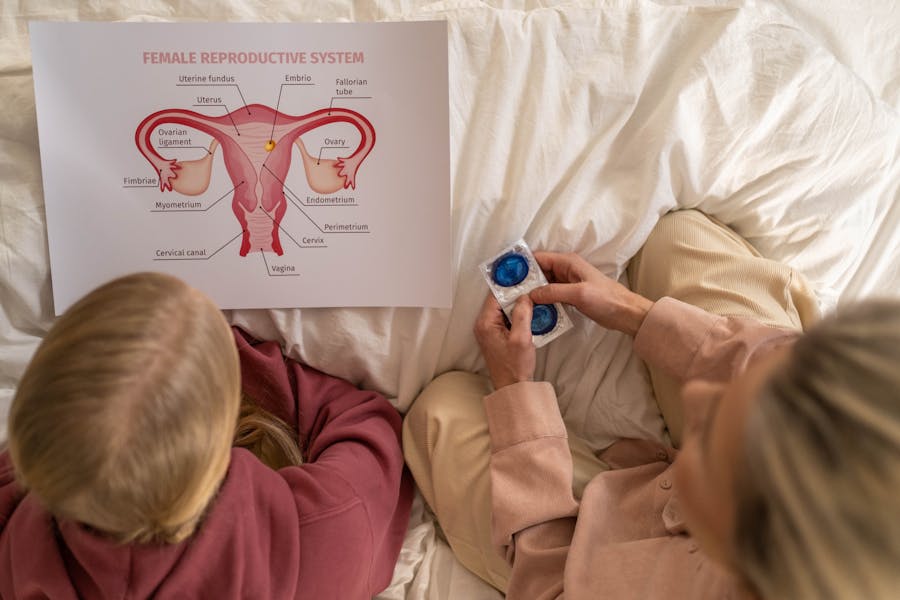
Why “No One Talks About It” Is a Problem
Think back to your school days. You probably learned algebra, history dates, and maybe even how plants grow. But did anyone really talk to you about your body, consent, emotions, or healthy relationships in a clear and respectful way?
For many people, the answer is no.
And that silence has consequences.
In today’s world, where kids and teens can access information (and misinformation) about sex within seconds on the internet, the importance of sex education in schools is greater than ever.
Sex education isn’t about encouraging anyone to have sex. It’s about:
- Safety
- Awareness
- Confidence
- Respect for self and others
When schools provide proper sex education, they give young people something priceless: the knowledge and confidence to make healthier choices.
What Sex Education Really Means (And What It’s Not)
Many people misunderstand what sex education is. They picture awkward talks, scary warnings, or just “the biology part.” But the importance of sex education in schools goes far beyond explaining how reproduction works.
Good sex education includes:
- Understanding changes during puberty
- Learning about consent and boundaries
- Knowing how to prevent sexually transmitted infections (STIs)
- Understanding contraception and pregnancy
- Respecting different body types and identities
- Recognizing unhealthy or abusive behavior
It’s not about promoting sex. It’s about preparing students for real life. Because whether parents, teachers, or society like it or not, young people will have questions — and they’ll seek answers somewhere.
1. Building Awareness: Knowledge Is Protection
One of the biggest reasons behind the importance of sex education in schools is awareness. When young people don’t get accurate information, myths and confusion fill the gap.
Common misunderstandings without proper sex education may include:
- “You can’t get pregnant the first time.”
- “STIs only happen to certain types of people.”
- “If we don’t talk about sex, kids won’t think about it.”
The reality is:
- Puberty can feel scary when you don’t understand what’s happening to your body.
- Young people may rely on friends, social media, or porn for “education,” which can be misleading or harmful.
- Not talking about sex doesn’t protect children — teaching them properly does.
When schools address the importance of sex education in schools, they help students understand their bodies, their feelings, and their choices in a clear, age-appropriate way.
2. Safety First: Preventing Risks and Harm
Another powerful reason for the importance of sex education in schools is safety.
Comprehensive sex education can help:
- Reduce the risk of unwanted pregnancies
- Lower the chances of STIs
- Help students recognize abuse, coercion, or manipulation
- Encourage young people to seek help when something feels wrong
For example, when a student learns about consent, they understand that:
- “No” means no — always.
- They have the right to say no, even to someone they care about.
- Pressuring, guilt-tripping, or forcing someone is wrong.
When they learn about boundaries, they are more likely to:
- Respect others’ personal space and limits
- Recognize when their own boundaries are being crossed
In this way, the importance of sex education in schools isn’t just about physical health — it’s also about emotional safety and protecting basic human rights.
3. Building Confidence and Body Positivity
Puberty can be confusing and uncomfortable. Bodies change, emotions swing, and comparison becomes constant.
The importance of sex education in schools also includes helping students:
- Feel normal about their body changes
- Understand that everyone develops at their own pace
- Respect their own body and others’ bodies
When students learn that:
- Acne, body odor, growth spurts, and mood swings are normal
- Different body shapes and sizes are okay
- There is no “perfect” body
…it becomes easier to build self-esteem instead of shame.
Confidence in one’s body and choices leads to better decisions, healthier relationships, and less vulnerability to peer pressure.
4. Promoting Healthy Relationships and Communication
What we rarely admit is this: many adults struggle with communication in relationships because they were never taught how.
The importance of sex education in schools includes teaching:
- How to express feelings clearly
- How to respect a partner’s boundaries
- How to handle rejection respectfully
- How to identify toxic or abusive behavior
By learning early that:
- “No” is a complete sentence
- Emotional respect is just as important as physical respect
- Healthy relationships are built on trust, consent, and communication
…young people are better prepared for future friendships, dating, and long-term partnerships.
5. Reducing Shame and Stigma
Many people grow up feeling that talking about sex is “dirty,” “wrong,” or “taboo.” That silence can create shame around natural things like:
- Periods
- Physical attraction
- Self-exploration
- Sexual orientation
The importance of sex education in schools is also about normalizing conversations around bodies and feelings in a respectful way.
When students can ask questions without being judged, they learn:
- It’s okay to be curious
- It’s okay to seek help
- It’s okay to talk about health and boundaries
This reduces stigma, encourages openness, and helps young people feel less alone.
6. Supporting Parents, Not Replacing Them
Some worry that sex education replaces parental values. In reality, the importance of sex education in schools is about supporting families, not replacing them.
Schools can:
- Provide accurate, science-based information
- Create a safe learning environment
- Encourage students to talk to their parents or guardians
Parents still play a huge role. They can:
- Share their values and beliefs
- Answer questions at home
- Guide their children emotionally and morally
When schools and families work together, young people get both knowledge and support, which is the best combination.
Helpful Resources for Further Learning
For those who want to understand more about the importance of sex education in schools and sexual health in general, here are some reliable resources:
- UNESCO – International Technical Guidance on Sexuality Education
- Planned Parenthood – Sex and Relationships Education
- WHO – Sexual and Reproductive Health
These platforms offer research, guides, and insights that can help educators, parents, and students.
Note
If you or someone you know has concerns related to sexual health, body changes, emotions, or relationships, it’s always a good idea to consult a qualified doctor, pediatrician, gynecologist, urologist, or mental health professional. They can provide personalized guidance, medical advice, and emotional support based on individual needs.
Conclusion: Knowledge Is Not Dangerous — Ignorance Is
The importance of sex education in schools comes down to one core idea:
When young people understand their bodies, their boundaries, and their choices, they are safer, more confident, and more respectful.
Sex education is not about pushing anyone into anything. It’s about giving them the tools to protect themselves, make informed decisions, and build healthy relationships — with others and with themselves.
As a society, we have a choice:
- Stay silent and let confusion, myths, and fear fill the gaps
or - Speak openly, teach responsibly, and build a generation that is more aware, safe, and confident
If you believe in the importance of sex education in schools, start the conversation — at home, in your community, or online. Change begins with awareness, and awareness begins with one honest conversation at a time.
You may also like:
How Porn Changes Our Sexual Expectations: What You Should Know Before Believing the Fantasy