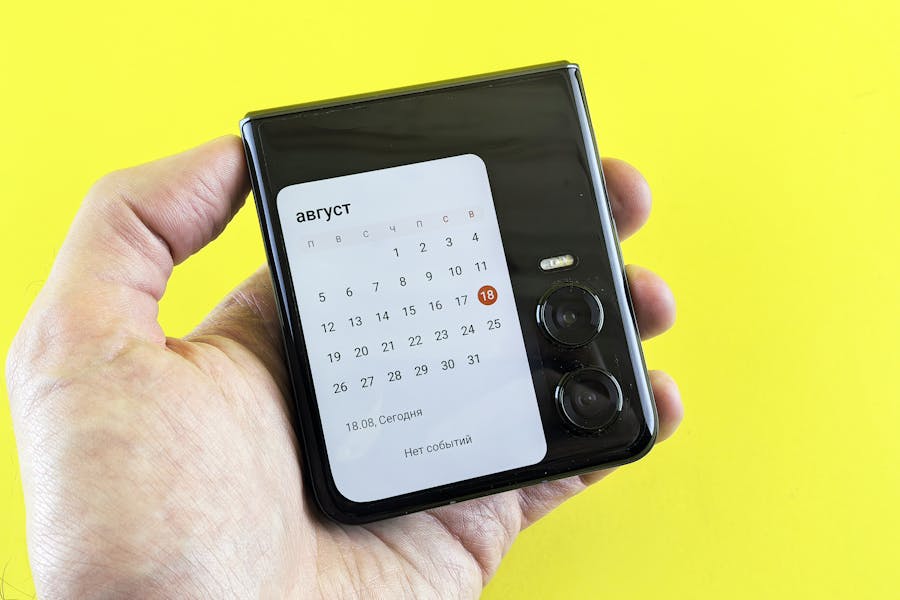
Foldable phones have evolved from flashy concept gadgets into serious contenders in the premium smartphone market. With companies overcoming early technical limitations, display issues, and hinge durability concerns, 2025 is shaping up to be a turning point. But the lingering question for many buyers remains: are they truly worth the extra cost? Let’s dive into what the top models offer this year, what compromises you’ll face, and whether investing in a foldable makes sense for you.
What’s New in Foldables in 2025
Here are some of the standout improvements in foldable phones this year:
- Better durability & water/dust resistance. For example, the new Pixel 10 Pro Fold is the first foldable with full IP68 protection in its category, offering both water and dust resistance.
- Stronger chips and brighter displays. Displays are getting brighter (often >2,500 nits) for better outdoor visibility, while processors like Snapdragon 8 Elite are boosting performance.
- Larger outer/cover screens. Foldables (especially flip-style ones) are improving their exterior screens to reduce how often you need to unfold.
The Best Foldable Phones of 2025 & What They Bring
Here are some top foldable phones in 2025, with standout strengths and things to watch out for.
| Model | What’s Great | What Might Be A Trade-Off |
|---|---|---|
| Samsung Galaxy Z Fold 7 | One of the most versatile large foldables; excellent display, strong hardware, upgraded hinge, premium build. Great if you want a tablet + phone in one. | Expensive; can be heavy; battery life is good but not miraculous given the large screen. Also, wired/wireless charging speeds are modest. |
| Samsung Galaxy Z Flip 7 | Stylish flip form factor, much larger outer screen now; good for someone who wants compact-when-folded but usable cover screen. | Flips usually have more compromise on battery compared to slab phones; durability (especially creases) is improving but still something to consider. |
| Huawei Pura X | Waterproof foldable (“wide fold”) design, strong build, reduced thickness, good specs, strong battery with decent wired + wireless charging. | Limited availability in many markets; software and services may not be as seamless depending on region; accessories and repair costs can be higher. |
| Xiaomi MIX Fold 4 | Very large inner display, top tier display brightness & hardware, multiple storage/RAM options, strong wireless charging. | Hefty; quite big when folded; price remains premium; software support may lag behind the biggest brands in some regions. |
| Motorola Razr (2025) | One of the more affordable entries into foldables; newer features; stylish design; good for flip-style use if you want a compact device most of the time. | Cameras and performance usually don’t match the foldables with flagship pricing; outer screen less powerful; might get less long-term updates. |
Pros vs Cons: Is a Foldable Right for You?
Here are some things to weigh up before deciding:
Pros:
- Multitasking & productivity: Larger inner displays let you use split-screen, multi-window features more comfortably.
- Compact form with max screen: Flips fold to pocket size; folds give you tablet-like views.
- Innovation & wow factor: The latest models are more than gimmicks—they’re showing actual useful improvements.
Cons:
- Price: Foldables tend to cost significantly more than similarly spec’d slab phones.
- Durability: Hinges, folding screens, and creases still are the weakest points. Repairs can be expensive.
- Battery life & weight: Big screens + foldable mechanisms often increase weight; battery efficiency is improving, but not perfect.
- Software experience: Not all apps are optimized perfectly for foldable layouts; outer screen usability matters a lot.
Verdict: Are They Worth It in 2025?
If you value:
- productivity, multitasking,
- want a device that doubles as a tablet sometimes,
- enjoy having the latest innovations,
then yes, many of the foldables in 2025 are worth considering.
If you mostly use your phone for basic tasks (calls, social media, camera) and want maximum reliability for minimum cost, then a high-end slab phone might still be the safer investment right now.
Also, think about support & repair infrastructure in your country: if repairs are hard or expensive, that’s a risk.
Conclusion
Foldable phones in 2025 are no longer curiosities or future promises—they’re real options with real improvements in durability, display tech, outer screen usability, and design. For some users, they offer compelling benefits. For others, the compromises are still worth noting. But the trend is clear: foldables are more mature and more viable than ever before.