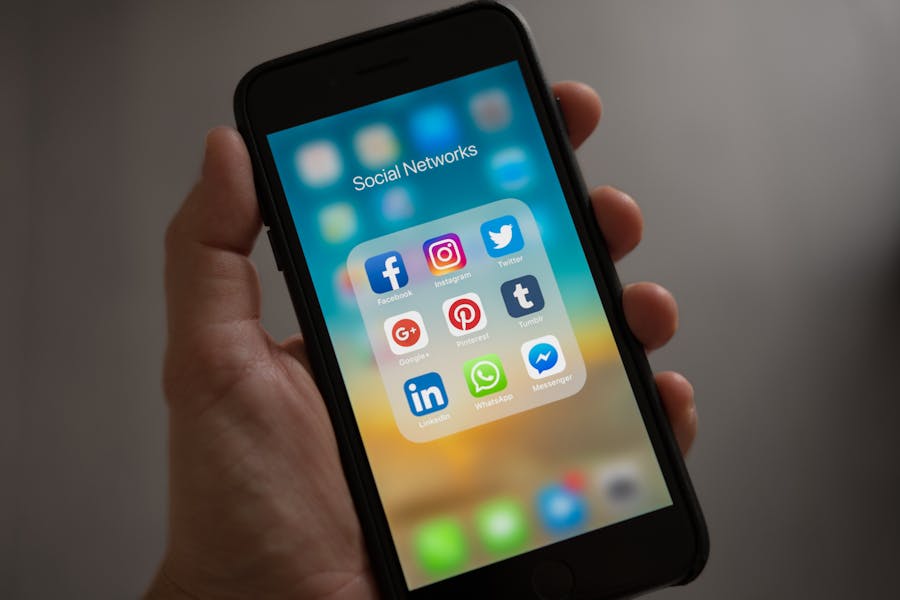
Have you ever picked up your phone to check one message, only to find yourself scrolling through social media an hour later?
You’re not alone.
In today’s fast-paced world, it’s easy to spend hours on digital devices without even noticing. But too much screen time can reduce your ability to concentrate, disturb your sleep, and harm your mental health.
This is where digital detoxing comes in — a growing lifestyle trend that helps you unplug from the digital world and reconnect with real life.
What Is Digital Detoxing?
Digital detoxing means taking a break from screens — especially from smartphones, social media, and apps that constantly demand your attention.

The goal? – To reduce screen time and improve mental clarity, sleep, productivity, and overall well-being.
Why Is Digital Detoxing Becoming So Popular?
More and more people are realising the negative effects of digital overload. Here are a few key reasons why digital detoxing is on the rise:
- Better focus: Fewer distractions mean you can complete tasks more efficiently.
- Improved mental health: Reduced screen time is linked to lower anxiety and stress levels.
- Quality sleep: Less screen exposure before bed improves sleep quality.
- Time freedom: Cutting screen time gives you more hours for hobbies, rest, and real-life interaction.
Studies show too much screen time can lead to anxiety, depression, and sleep problems, according to the Mental Health Foundation.
Signs You Might Need a Digital Detox
- You check your phone first thing in the morning and last thing at night
- You feel anxious without your phone nearby
- You constantly switch between apps or tabs while working
- You scroll aimlessly even when you’re not interested
If any of these sound familiar, it may be time to try a digital detox.
How to Start a Digital Detox (Simple Steps)
You don’t have to go cold turkey. Start small with these easy habits:
1. Set Screen-Free Hours
Choose a time each day (like mealtimes or before bed) to put away your phone.
2. Turn Off Notifications
Disable non-essential alerts — they are a major distraction.
3. Use “Do Not Disturb” Mode
Great for focused work or quiet time.
4. Track Your Screen Time
Use built-in tools on your phone to monitor and reduce app usage.
5. Replace Scrolling With Meaningful Activities
Try reading, walking, meditating, or journaling instead.
6. Try a Weekend Detox
Pick one day to stay off social media or turn off non-essential apps.
Long-Term Benefits of Digital Detoxing
Many people who do regular digital detoxing report:
- 🔹 More focus and productivity
- 🔹 Better sleep
- 🔹 Improved mood and mental health
- 🔹 Stronger connections with people in real life
Remember, it’s not about quitting technology forever — just using it more intentionally.
Blue light from screens can affect melatonin levels, disrupting your natural sleep cycle. The Sleep Foundation explains how limiting screen use before bed can lead to better rest.
Final Thoughts
In a world filled with noise and constant pings, stepping back from screens can help you regain peace, presence, and productivity.
You don’t need to give up your phone — just learn to use it wisely. Start with small changes, and watch how your mind and mood shift for the better.
Unplug to reconnect — your focus and well-being are worth it.
For more tools and tips on creating a balanced relationship with technology, visit the Center for Humane Technology, a leading advocate for ethical tech use.
Want more content like this?
Subscribe for weekly tips on health, lifestyle, and digital wellness!