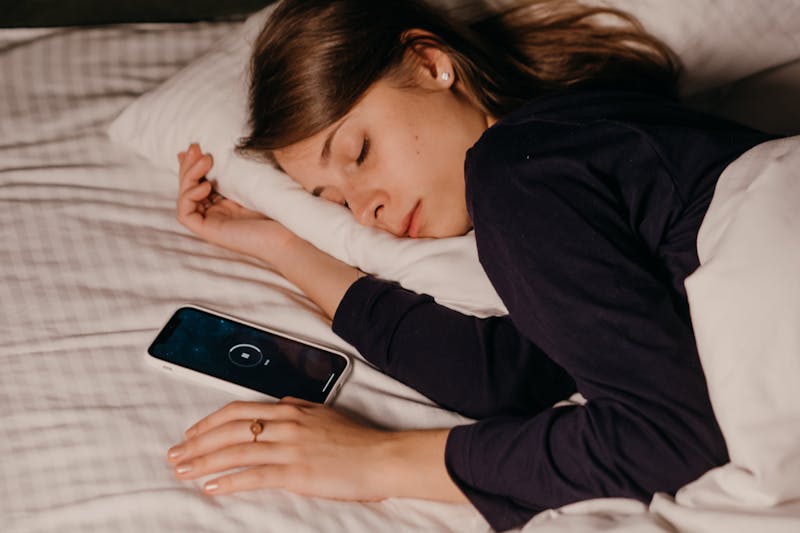
Have you ever woken up feeling sore, groggy, or surprisingly refreshed — even after the same number of hours in bed? It might not just be how long you sleep that matters, but how you sleep. Believe it or not, your sleep position can reveal a lot about your health, personality, and even your emotional state.
We all have our go-to way of curling up at night, whether it’s sprawled on our stomach, lying flat like a starfish, or tucked up in the fetal position. But could your favorite sleep position be helping — or hurting — your body? Let’s dive into what science says.
Why Your Sleep Position Matters
Your sleep position affects more than comfort. It impacts:
- Spine alignment and posture
- Circulation and breathing
- Digestive health
- Snoring and sleep apnea
- Overall sleep quality
Just like diet and exercise, sleep posture is an underrated pillar of health. Adjusting how you sleep can reduce pain, improve energy, and even enhance mood.
1. Back Sleeping — The Royal Position
If you sleep on your back, congratulations — it’s often considered the healthiest sleep position.
Health Benefits:
- Keeps spine, neck, and head aligned naturally
- Reduces pressure on joints
- Helps prevent facial wrinkles caused by pillow friction
Potential Downsides:
- Can worsen snoring or sleep apnea
- May not suit people with acid reflux (unless you elevate your head slightly)
If you love this position, try using a thin pillow or a memory foam pillow to maintain proper neck support.
2. Side Sleeping — The Most Popular Choice
Most people prefer sleeping on their side, and it’s easy to see why. It’s cozy, reduces snoring, and helps with digestion.
Health Benefits:
- Eases acid reflux and heartburn
- Promotes healthy blood flow
- Ideal for pregnant women (especially the left side)
- Reduces snoring for many people
Potential Downsides:
- Can cause shoulder or hip stiffness over time
- May contribute to facial wrinkles on the side pressed against the pillow
Tip: Place a pillow between your knees to align your hips and reduce lower back pressure.
According to Sleep Foundation, side sleeping (particularly on the left) is the best sleep position for digestion and heart health.
3. Fetal Position — Comfort in a Curl
About 40% of adults sleep curled up in the fetal position, knees drawn close to the chest. It’s comforting, protective, and often linked to emotional security.
Health Benefits:
- Great for pregnant individuals — improves circulation to the fetus
- Reduces snoring for some sleepers
Potential Downsides:
- Can restrict deep breathing if curled too tightly
- May cause stiffness in the morning
Try to loosen your curl a bit and use a supportive pillow to maintain neck alignment.
4. Stomach Sleeping — The Troublemaker
While it may feel relaxing initially, stomach sleeping is usually the least recommended sleep position by experts.
Health Benefits:
- Can reduce snoring
- Might help mild cases of sleep apnea
Potential Downsides:
- Puts strain on the neck and spine
- Can cause back pain and numbness
- Increases facial pressure, leading to wrinkles
If you can’t give it up, use a very soft pillow or no pillow at all to reduce neck strain.
5. The Starfish — Spread Out and Stress-Free
This sleep position involves lying on your back with arms and legs stretched out. It’s associated with open, relaxed personalities.
Health Benefits:
- Keeps spine neutral
- Reduces acid reflux
- Helps minimize facial wrinkles
Potential Downsides:
- May lead to shoulder discomfort
- Can trigger snoring due to gravity pulling the tongue backward
How to Choose the Best Sleep Position for You
There’s no one-size-fits-all answer. The best sleep position depends on your body type, health conditions, and comfort preferences.
| Health Concern | Recommended Position |
|---|---|
| Back Pain | Side or back |
| Snoring | Side |
| Acid Reflux | Left side |
| Pregnancy | Left side |
| Neck Pain | Back (with proper pillow) |
Experiment with slight variations and supportive pillows until you find what feels right for your body.
Tips for Improving Sleep Posture
Even if you’ve been sleeping the same way for years, small tweaks can make a big difference:
- Use a supportive mattress — Medium-firm often works best for alignment.
- Choose the right pillow height — Your neck should stay in line with your spine.
- Keep your body relaxed — Avoid tensing up before bed.
- Try body pillows — Especially helpful for side sleepers.
When to Rethink Your Sleep Position
If you wake up with:
- Consistent back or neck pain
- Tingling or numbness in your limbs
- Worsening snoring or breathing issues
…it might be time to reevaluate your sleep position or talk to a sleep specialist.
Chronic discomfort shouldn’t be ignored — your body’s nightly posture could be silently sabotaging your health.
Conclusion
Your sleep position is more than just a preference — it’s a clue to your health and well-being. Whether you’re a starfish sprawler or a side sleeper, paying attention to how your body rests can transform how you feel when you wake up.
So tonight, before you crawl into bed, take a moment to notice how you’re sleeping. Small adjustments can mean big improvements in comfort, mood, and long-term health. Sweet dreams — and sleep smart!
FAQs
1. What’s the healthiest sleep position overall?
Sleeping on your back is generally considered best for spinal alignment and wrinkle prevention.
2. Is it bad to sleep on my stomach?
It’s not ideal, as it strains your neck and spine — but if it’s your only comfortable position, use a flat pillow.
3. Can sleep position affect my mood?
Yes! Studies show poor sleep posture can lead to fatigue and irritability, impacting emotional health.
4. How do I stop rolling into a bad sleep position?
Use pillows around your body or try a supportive body pillow to keep your posture in place.
5. Can changing sleep position help with snoring?
Absolutely. Side sleeping often reduces snoring and improves airflow.